
FSSC 24000 Social Management System Certification in Saudi Arabia enables businesses to create ethical, transparent, and people-centred workplaces.
According to the World Bank, over 78% of Saudi companies are actively improving their governance and labour practices to meet the standards of Vision 2030.
Adopting FSSC 24000 certification supports this national direction, builds international credibility, and boosts workforce confidence. Partnering with expert consultants ensures a faster and fully compliant certification process.
What Does FSSC 24000 Mean and Which Organizations Should Adopt It?
FSSC 24000 stands for Foundation for Food Safety Certification 24000, a globally recognized standard that focuses on social responsibility and ethical business practices within organizations.
It helps companies create fair, transparent, and safe workplaces by managing human rights, labor conditions, and ethical operations.
Organizations across the manufacturing, logistics, food supply, and service industries, particularly those in Saudi Arabia seeking global recognition and compliance, should adopt FSSC 22000.
It not only strengthens brand reputation but also aligns with international sustainability goals and client expectations, making your business more trusted and socially accountable.
Why FSSC 24000 Is Important for Businesses in Saudi Arabia?
FSSC 24000 Certification is crucial for businesses in Saudi Arabia, as it enhances social responsibility, ethical governance, and global credibility. It helps companies align with Vision 2030 goals, attract international clients, and build employee trust.
By promoting fair labor practices, transparency, and compliance, FSSC 24000 enhances brand reputation and ensures sustainable business growth in today’s competitive and socially conscious market.
What Does the FSSC 24000 Standard Require?
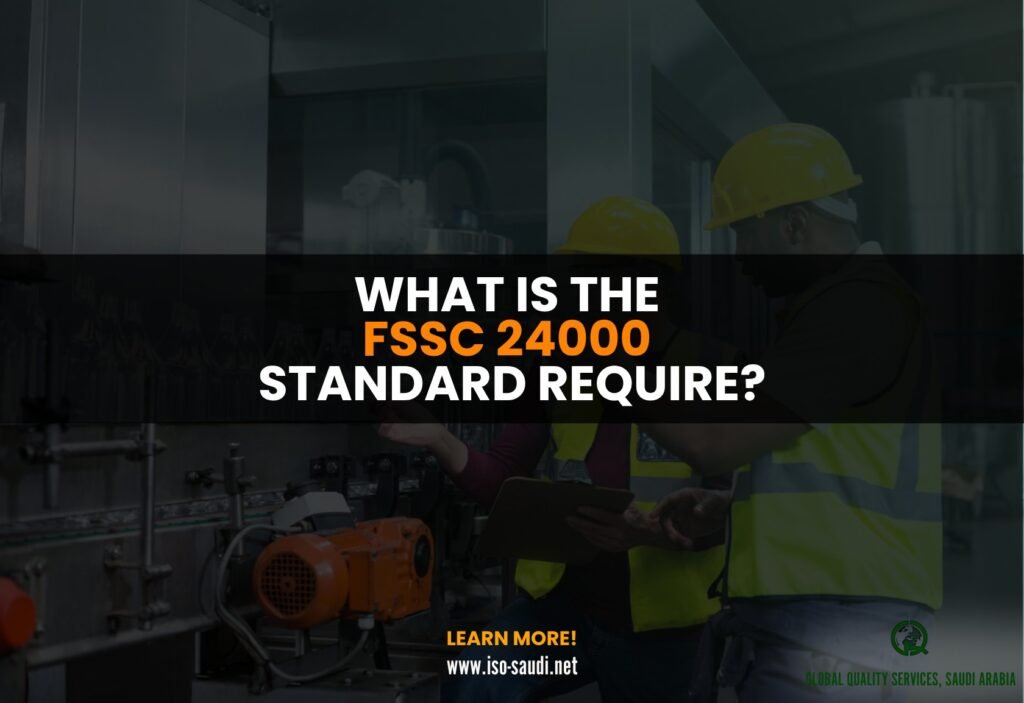
FSSC 24000 outlines key requirements to help organizations build ethical, fair, and socially responsible management systems across all operations.
1. Define a Strong Social Responsibility Commitment
Your organisation should clearly outline its commitment to upholding fair labour practices, ethical behaviour, and responsible operations. This commitment must be communicated to every employee and reflected in their everyday decisions.
2. Identify and Manage Social Risks
Regularly review potential risks related to labor, ethics, and human rights—both within your company and across your supply chain. Proactive action helps prevent issues before they affect people or their reputation.
3. Stay Compliant with Laws and Standards
Meeting local laws and global social responsibility standards is essential. This not only protects your organization from penalties but also shows your dedication to fair and transparent practices.
4. Prioritize Employee Well-being and Rights
FSSC 24000 highlights respect for people. Ensuring safe working conditions, equal opportunities, and fair treatment helps build a culture where employees feel valued and empowered.
5. Create a Fair Complaint and Resolution System
Employees and stakeholders should have a safe way to raise concerns. A clear process for reporting and resolving issues fosters trust and maintains strong workplace ethics.
6. Focus on Growth Through Continuous Improvement
Social responsibility doesn’t end with certification. Ongoing audits, feedback, and management reviews help you refine your approach and maintain consistent progress over time.
What are the Benefits of FSSC 24000 Certification?
Earning the FSSC 24000 Certification brings real, lasting value to your business. Here are some key benefits that make it worth the effort:
- Builds trust with clients, partners, and employees.
- Strengthens your company’s social and ethical reputation.
- Improves workplace culture and employee satisfaction.
- Helps meet global compliance and legal expectations.
- Enhances supply chain transparency and accountability.
- Reduces operational risks and potential legal issues.
- Boosts credibility during business tenders and audits.
- Opens doors to international markets and partnerships.
FSSC 24000 Certification Process: Steps to Get Certified
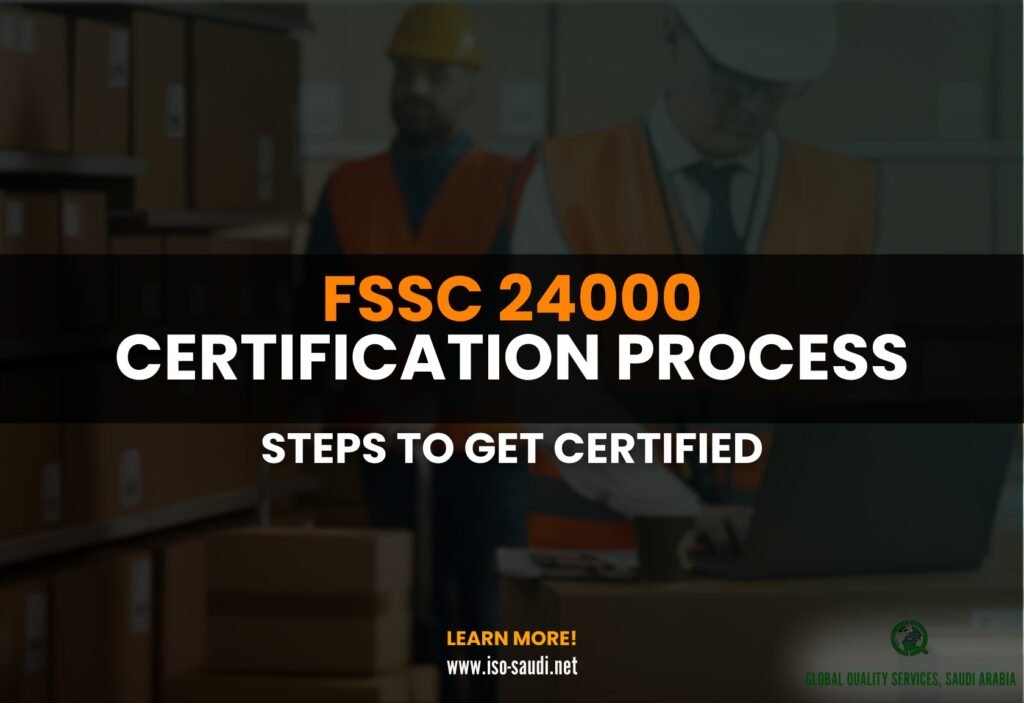
Getting FSSC 24000 certified is a structured yet straightforward journey. Here’s how your organization can move from planning to achieving certification with confidence:
Step 1: Conduct a Gap Assessment
Start by reviewing your current practices against FSSC 24000 requirements. This helps identify what’s missing or needs improvement before you begin the full implementation process.
Step 2: Develop Policies and Documentation
Create or update key documents such as your social responsibility policy, supplier code, and grievance procedures. These form the foundation of your social management system.
Step 3: Implement and Train Your Team
Implement your new policies and train employees on their respective roles and responsibilities. Awareness and participation across all departments are crucial for effective implementation.
Step 4: Conduct Internal Audit and Management Review
Review your progress through an internal audit. Evaluate results in a management review meeting to identify any gaps and prepare for the external certification audit.
Step 5: Complete the Certification Audit
An accredited certification body will assess your system’s compliance with FSSC 24000. Once you meet all requirements, you’ll receive your certification—proving your commitment to ethical and responsible business practices.
Which Documents Are Required for FSSC 24000 Certification?
Proper documentation is the backbone of a successful FSSC 24000 audit. It proves your system is compliant, consistent, and well-managed.
Key Documents to Prepare:
- Internal Audit Findings and Management Review Notes
- Corrective and Preventive Action (CAPA) Reports
- Complaint and Issue Resolution Logs
- Legal and Regulatory Compliance Records
- Social Responsibility Goals and Policy Statements
- Supplier Ethics and Conduct Guidelines
- Risk Review and Social Impact Reports
- Employee Training and Awareness Program Records
- Performance Tracking and Evaluation Reports
- Proof of Stakeholder Communication and Participation
What Decides the Cost of FSSC 24000 Certification?
Several factors influence how much your FSSC 24000 certification will cost — here’s a quick look at what really shapes the pricing:
- Organisation Size & Locations – Larger companies or those with multiple sites require more audits and documentation, which can slightly increase certification costs due to extended evaluation times.
- Current System Maturity – If your management system already aligns with ISO standards, fewer changes are required, which reduces consulting and preparation expenses.
- Industry Type & Risk Level – High-risk sectors (such as manufacturing or supply chain) require more in-depth assessments, which may increase the overall certification budget.
- Audit Duration & Frequency – Longer or more frequent audits naturally increase total costs, depending on the readiness of your processes and records.
- Consultancy & Training Support – Investing in expert guidance often helps you achieve certification faster and more efficiently, saving time and reducing the need for rework later.
How Does FSSC 24000 Work with ISO and Other Standards?
FSSC 24000 aligns seamlessly with ISO standards, such as ISO 9001 and ISO 45001. If your company in Saudi Arabia already follows these systems, adding FSSC 24000 feels like a natural next step.
It helps you strengthen ethical practices, improve workplace culture, and show global clients that your business values people as much as performance. Companies can also follow ISO/IEC 27701:2025 for better coverage.
Is There a 90-Day Plan to Get FSSC 24000 Certified?
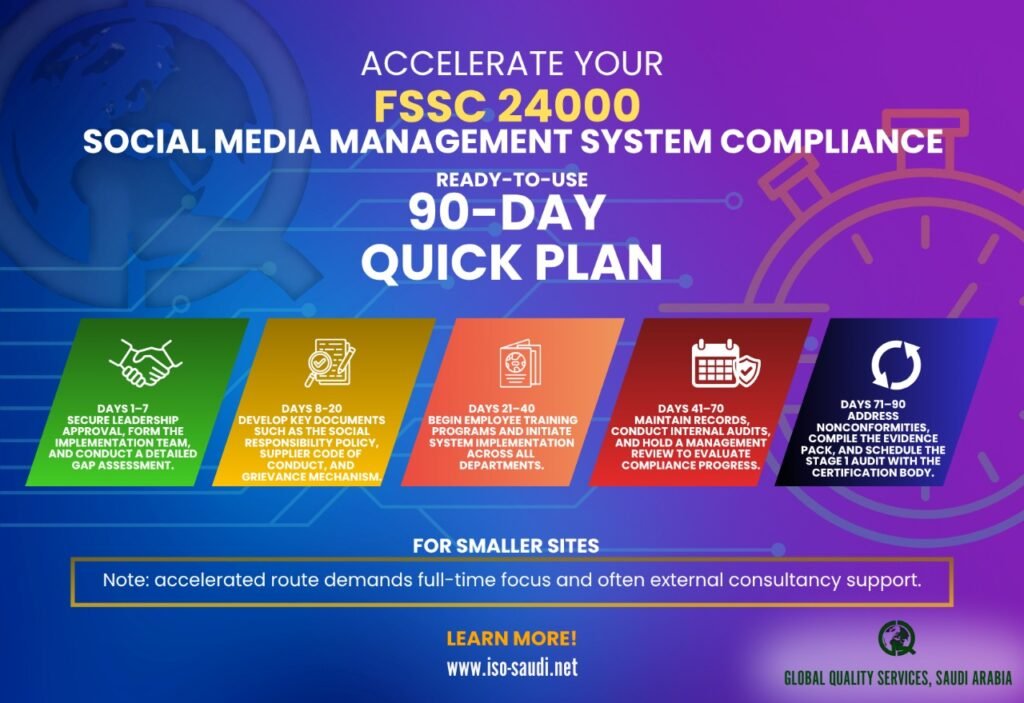
With a clear plan, professional support, and well-scheduled audits, your organization can successfully attain FSSC 24000 certification in just 90 days.
Note: Stay proactive. Delays often occur when documentation or evidence isn’t ready, so keep everything organized from the start.
Begin Your Certification Journey with Experts in Saudi Arabia
Looking to expand your business worldwide? Connect with us in Saudi Arabia today. Our specialists simplify certification, enhance credibility, and drive growth. Transform your compliance objectives into sustainable success. Get in touch and begin your journey now.
FAQ’s
- How does FSSC 24000 improve workplace culture?
It promotes fair treatment, safe conditions, and ethical practices, building trust, reducing turnover, and enhancing employee morale. - Is FSSC 24000 suitable for small businesses?
Yes. The standard is flexible and helps SMEs formalize HR policies, manage suppliers, and strengthen social responsibility. - How is FSSC 24000 different from other sustainability standards?
It focuses specifically on social responsibility—addressing human rights, labor conditions, and ethical business conduct. - How does certification boost client and investor trust?
It demonstrates your commitment to ethical operations, reducing reputational risks and enhancing credibility with stakeholders. - What happens after achieving certification?
You must maintain compliance through regular reviews, performance tracking, and continuous improvement in social practices.